






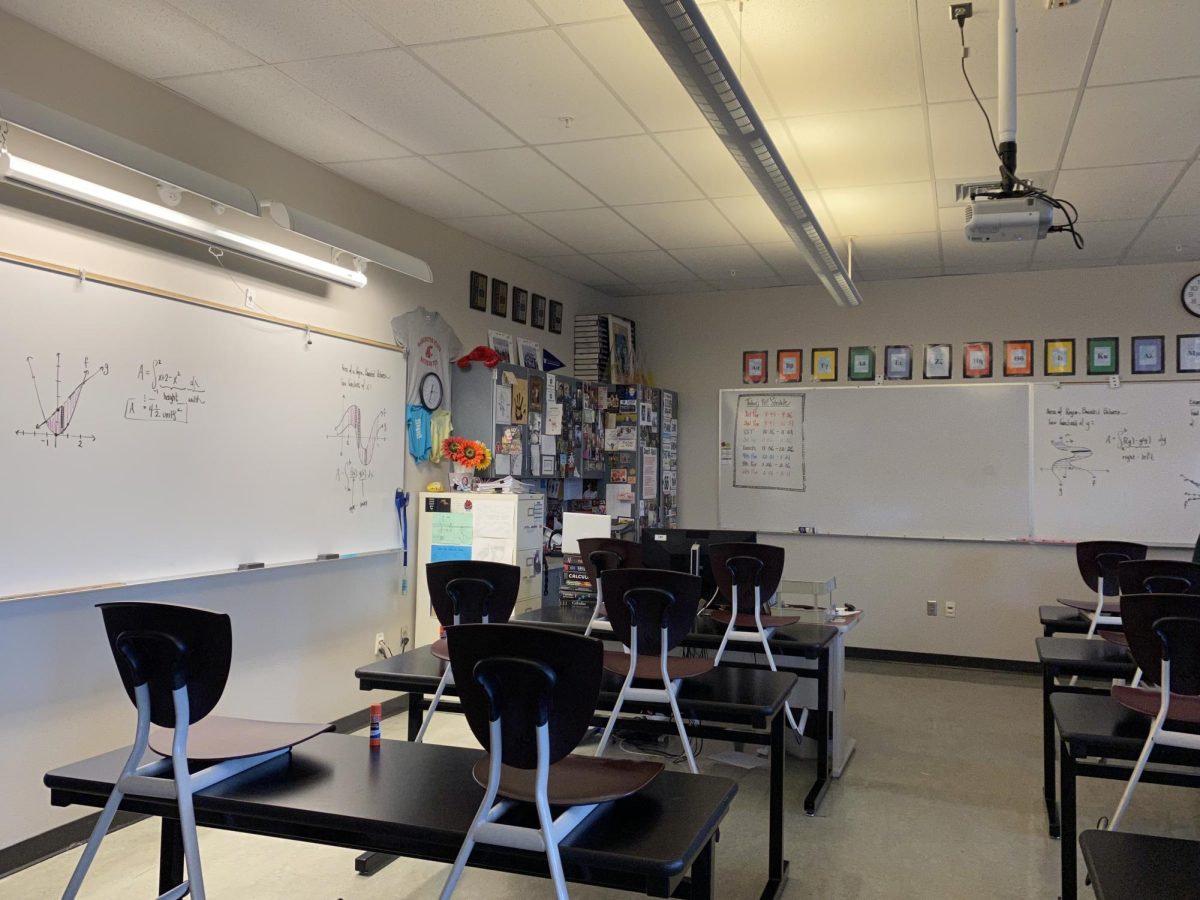
Camas High School (CHS) offers a wide range of math classes for students to take. Aside from the traditional Algebra 1, geometry, and Algebra 2 courses required for graduation, CHS offers even more courses: accelerated Algebra 2, accelerated and Central Washington University (CWU) precalculus, Advanced Placement (AP) Calculus AB/BC, CWU and AP statistics, and many more tailored to student needs. However, there is a math class that is less widely recognized within the CHS course catalog — Differential Equations.
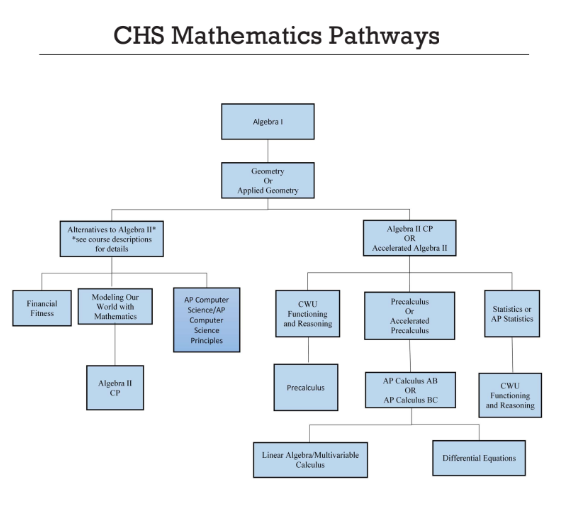
Beyond AP Calculus BC, CHS gives students interested in advancing further in college-level math courses the option to take Differential Equations or linear algebra. The two math classes are offered in alternating years; last year was linear algebra, and this year it is Differential Equations. Both are college-level courses — covering multiple quarters of content over the traditional school year — and are taught exclusively by Elisabeth Edwards, a math teacher at CHS.
What sets Differential Equations apart, aside from being the highest-level math course offered at CHS, is its unique approach to learning that puts students at the center. Rather than teacher-led lectures and notes, students are encouraged to guide lessons throughout the year across units.
Initially, students have the choice to split into either individuals or pairs and are then assigned a Differential Equations lesson, which they must learn via a textbook and prepare to present to their classmates. Along the way, Edwards provides guidance for students, answering questions and ultimately creating a unit test.
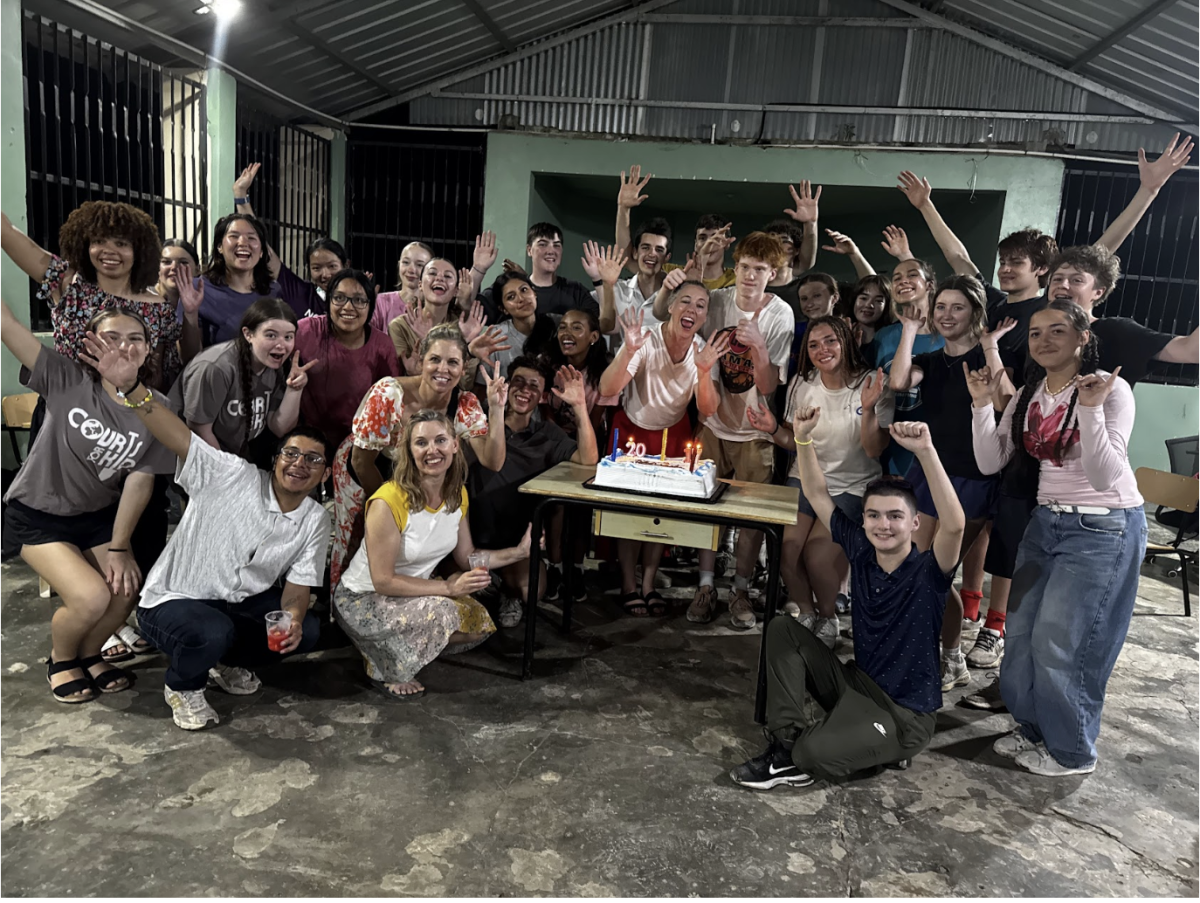
At the end of every unit, there are class review games to help students prepare for unit tests, and students celebrate their hard work through class potlucks and activities. CHS senior Deven Pokharel acts as social club chairman and aids the class in drafting activities, which range from potlucks to gift exchanges.
The class opens students up to a valuable new way of learning that few get to participate in while in high school.
“It has taught me important skills that you don’t get [normally]: having to be the teacher helps with learning to present information [and] perfecting mastery over a subject,” CHS senior Kenneth Aseyev said.
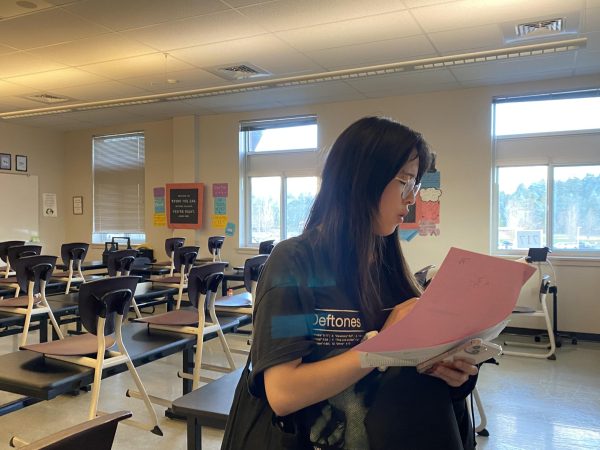
Due to its fast pace and rigorous prerequisites, Differential Equations tends to primarily attract students with a genuine passion for math outside of the classroom.
“A lot of these students took accelerated precalculus their ninth or 10th grade year and [AP Calculus] BC their 10th or 11th grade year. [They] liked math enough to get that far, or they’re that good at math, so it just made sense for them to have something else to do,” Edwards said.
“I see this as my projected path … like a fun elective,” CHS senior Yvonne Yin said. “I like math.”
What particularly stands out to students is the overall classroom engagement in Differential Equations.
“I really like it because I feel like everyone’s super engaged,” CHS senior Aditi Manjunath said. “People put a lot of effort into their lessons. I can tell everyone’s really engaged and excited to be there.”
The combination of student presentations and hardworking peers creates a welcoming environment that pushes students to participate.
“I like that it’s student-led because it makes it a lot more fun and engaging. You get different presenters, and sometimes the presentations can be really funny,” CHS senior Steven Kim said. “… It’s a really tight-knit community.”
Beyond simply a math class, Differential Equations brings together students passionate about advancing their learning and challenges them to learn in new ways. These challenges and community activities prepare students for college coursework in a way that might not be possible within the traditional AP curriculum. Rather, students in Differential Equations are encouraged to ask questions and motivate their own learning, a lifelong skill.
“I think it has increased my love for learning,” Kim said.


