








As graduation approaches for the Camas High School (CHS) Class of 2026, many will go on to pursue higher education and navigate the complex financial situations that usually come with it. Current CHS seniors have developed valuable strategies, goals, and advice on college finances to share with underclassmen.
Regardless of their post-graduation plans, CHS seniors often gain experience in financial preparedness and planning through part-time employment. CHS is frequently recognized for its ambitious students, both in and out of the classroom. For example, multiple students at CHS who have secured part-time employment also find other ways to make money outside of their jobs.
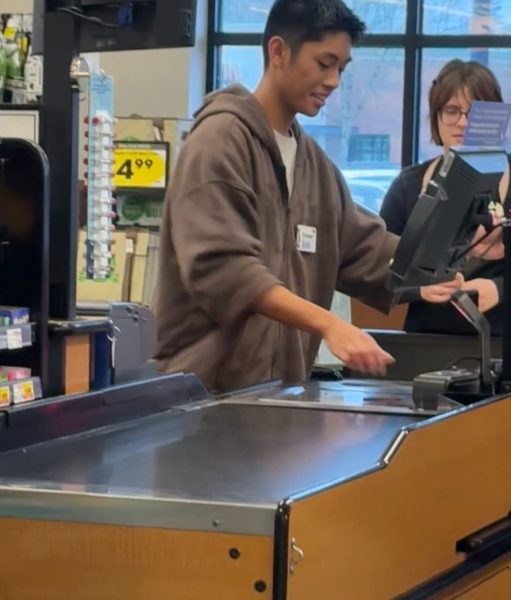
Preston Acosta, CHS senior, has plans to attend Oregon State University with the Western Undergraduate Exchange (WUE) scholarship. Although the WUE covers a significant portion of out-of-state tuition, Acosta works two jobs in order to save money.
Acosta works as a cashier for Quality Food Centers (QFC) in Vancouver, and has a side job as a DoorDash driver. Aside from working multiple jobs, Acosta has strategies to remain financially stable and prepared for the future.
“When I receive my paycheck, I always put at least 25% in my savings just so it starts building up,” Acosta said. “I definitely feel prepared for college, for sure, both financially and personally. I have improved my time management and organization skills, along with learning to save money.”
Aside from traditional part-time employment, students at CHS have found creative ways to increase their income with smaller, more freelance work opportunities, such as Acosta’s DoorDash status.
Claire Dewey, CHS senior, started her employment journey at Crumbl after she turned 16. However, since working at Crumbl, Dewey has launched her own nail design business, which she runs independently out of her own home, and started working as an Ulta Beauty retail attendant. This makes three jobs that Dewey works on top of her academic responsibilities.
“In terms of saving money, I would say, always have a budget,” Dewey said. “Always have money goals for yourself. My initial goal was to leave high school with a certain amount, and I have since surpassed that goal and have set a new one for myself.”
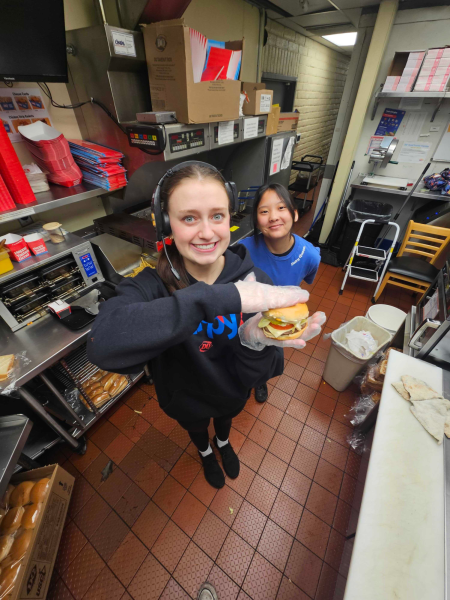
Dewey plans to attend Utah Valley University in the fall and reports feeling very financially stable and personally successful.
“Working so much has allowed me to beef up my resume and expand my skill sets, especially within food service and retail,” Dewey said. “Being able to work in different environments and learning how to be a good employee have been really helpful experiences. Every boss and workplace is different, so it’s important to be prepared.”
Beyond looking to upperclassmen, CHS students have resources available at school that can help teach them about future finances and job opportunities, such as the Career Center, located in the CHS Library. The Career Center has a well-versed staff, including Sean Tamura, who also serves as the Investment Club advisor.
“I usually recommend setting aside whatever money you can for potential expenses, such as future schooling and also making sure you’re prioritizing personal spending, especially for teenagers,” Tamura said. “Go get a Starbucks drink or some after-school McDonald’s, but I would say set a realistic-enough budget for yourself so you can keep saving for the future.”
CHS students, especially seniors, are taking their ambitions beyond the classroom and into the real world of finances. Both part-time and freelance employment can present productive opportunities for students to begin saving money for college or other future endeavors.
Throughout their work experiences, many seniors have developed skill sets useful to underclassmen seeking money management advice.


