









Concerts have been around since the 17th century, and since then the prices to attend have varied. Some concerts today are free, like most house concerts, and some concerts cost close to $40,000.
The concept of concerts wasn’t ever supposed to be a luxury. They were supposed to be something that people could go to for fun, any time they wanted, and see good, authentic, live music.

This past summer, the band The All-American Rejects (AAR) did a whole tour, but the catch was that they were only playing in people’s backyards. This tour was used to show that people didn’t have to pay hundreds to thousands of dollars just to see a band they like.
“So if you’re a big record company, quit copy-pasting our idea and do something to help bridge this horrible gap,” said Tyson Ritter, the frontman of AAR to Idobi Radio, on the topic of their backyard shows.
The All-American Rejects aren’t the only band to boycott big ticket agencies. Pearl Jam had a problem with Ticketmaster and their pricing. Pearl Jam had a court hearing in 1994 where they went against Ticketmaster, stating that the company was a “monopoly”. After the band went against Ticketmaster, they toured on their own, selling tickets, booking venues, and setting things up all by themselves. After a while, Pearl Jam went back to selling tickets with Ticketmaster. They did this because Ticketmaster owned the majority of the venues, so they couldn’t play shows in some cities.
“In some ways, it robbed us of some of our idealism,” Eddie Vedder, the frontman of Pearl Jam, told Louder Sound Magazine.
Ticketmaster has caused many fans to riot against artists — one artist, for example, is the band My Chemical Romance (MCR). MCR recently went on a 10 show stadium tour. Fans were excited to see MCR announce a tour, as it was the first tour they had announced in close to three years, but as soon as fans saw the prices, their excitement faded away. The band chose to leave a system called “dynamic pricing” on, which means that the price varies based on how high the demand is. Seats for the tour ranged from $70 to $2,000, and that’s not including fees. Many fans took to social media to share their opinions, and everyone seemed to agree on the idea that the tickets were priced too high and that the band should be doing more to help tickets be more accessible.

Many artists leave dynamic pricing on when they sell tickets, but some artists chose to turn it off. Taylor Swift left dynamic pricing off for her “Eras Tour” so that tickets would be accessible to all of her fans. Currently, more musicians are choosing to turn this feature off, like Ariana Grande and Billie Eilish, but that doesn’t stop resellers.
Reselling tickets has been a norm for concerts for a very long time, but in today’s concert culture, resellers are hiking prices up drastically. Ariana Grande recently announced her first tour in about seven years, so the demand for tickets was insanely high. Resellers are aware that the demand for this tour is very high, so they made the prices mirror that demand. Tickets for her shows are currently selling from anywhere between $2,000 and $47,000. These prices negate the idea behind turning dynamic pricing off, making her tour not easily accessible.
Ticketmaster CEO Michael Rapeno has shared his thoughts on fans’ outrage over dynamic pricing and resellers.
“The concert is underpriced and has been for a long time,” Michael Rapeno said to Rolling Stone Magazine.
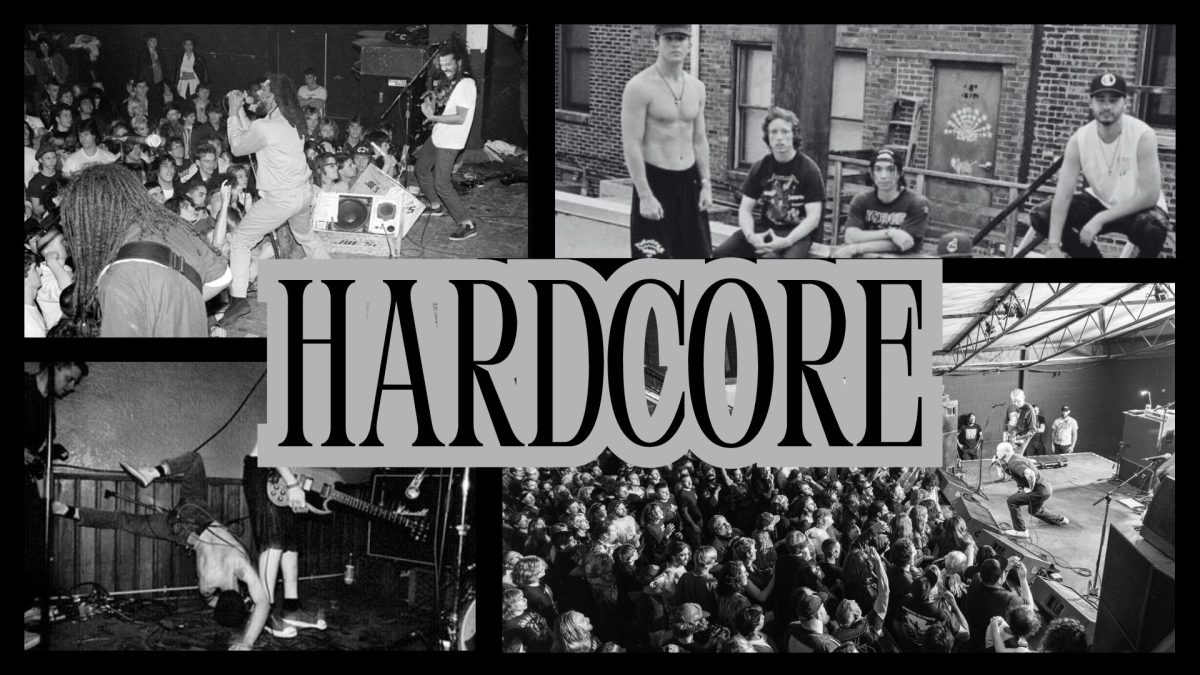
Saying concerts are “underpriced” only made fans more upset at Ticketmaster and big ticket corporations as a whole. Concerts shouldn’t be a luxury, and they shouldn’t cost as much as $100. Going to free house shows and concerts for rather underground artists combats the idea of concerts being a luxury, so go out there and support smaller local bands and independent venues and wait for the demand for big tours to go down.

Jaleh daee • Oct 17, 2025 at 10:37 PM
Wonderful idea and very well said