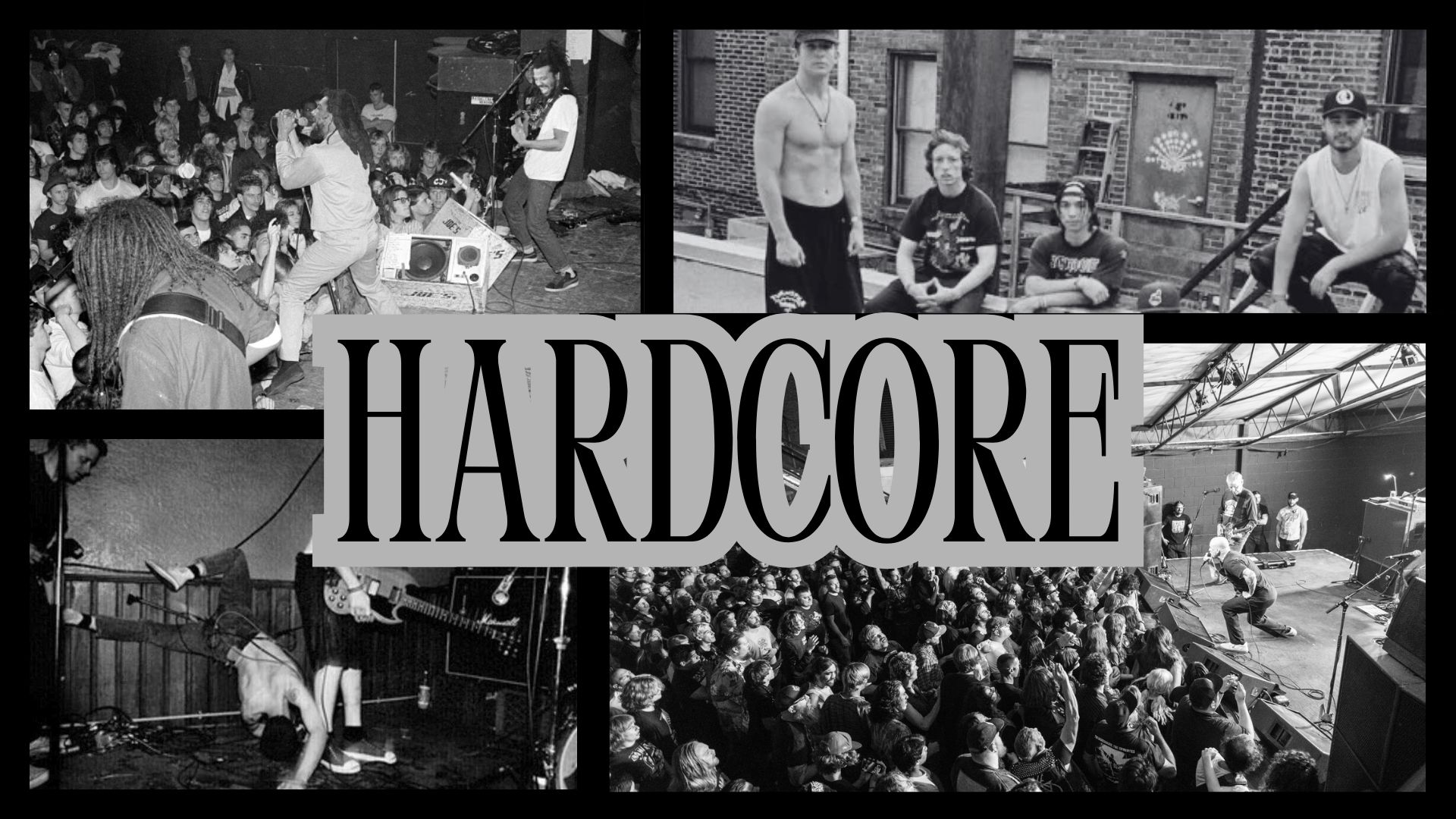

Music genres are an odd thing, mainly because music is painfully subjective. Genres have always been used to put things in a box, but what happens when an artist doesn’t want to be stuck in a box? Hardcore is what happens. Raw, emotional, political, and aggressive (in the best way possible) music happens.
In the 70s, punk was becoming a capitalist fad, with many pieces of media portraying a “punk” character and making money off of punk’s home-made style. As time went on, the punk community grew tired of this objectification and decided to take a stand, which led to the birth of hardcore.
Hardcore is a hard-to-navigate genre. It started in the mid-70s, there’s an almost invisible line between punk and hardcore, and there’s no set artist that created it, but there are many bands that pioneered it.
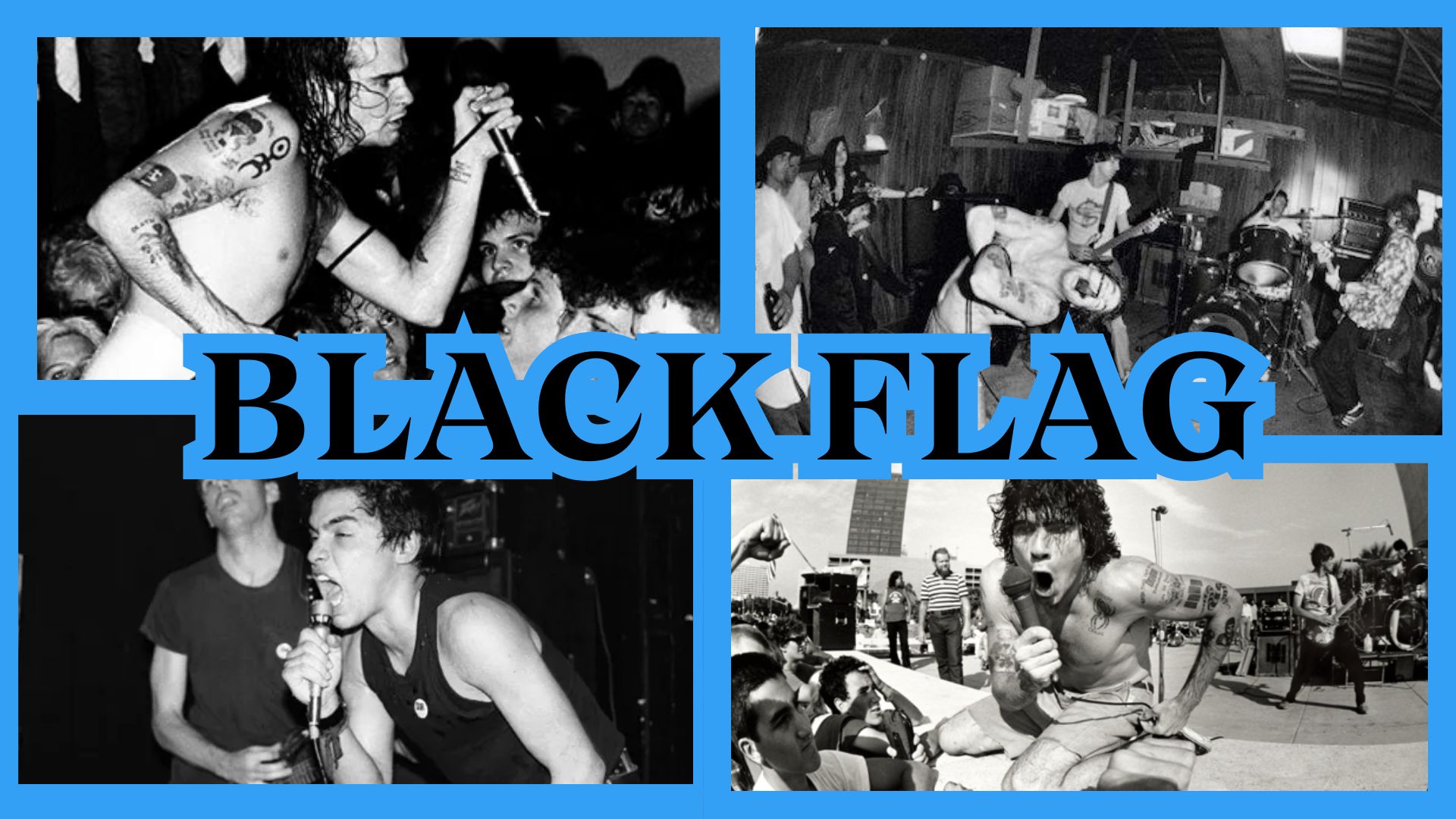
The first band that comes to mind when someone mentions hardcore is Black Flag, a political anti-war band from the coast of California. Black Flag is widely regarded as hardcore’s first band, with their songs “Rise Above” and “My War” gaining popularity within the punk community. With Black Flag came the age of “post-punk” which is now hardcore, and with the popularity of punk came the popularity of Black Flag.
The song “Rise Above” is excruciatingly aware of what was going on inside punk’s head. The lyrics “society’s arms of control”, “we’re born with a chance”, and “they distort what we say” show Black Flag’s understanding of their community. The most aware line of the song is “they distort what we say”. To me this is singer Keith Morris’ way of saying “we know that no one likes punks, but you just don’t give us a chance”.
Black Flag’s biggest song is “My War”. This song packs a painful punch with its criticism of politics and war and the harm they cause. This song is about a person’s struggle with modern society and its need to cause harm. “All I know is what you’re not” is a line that caused me to ruminate. This line is blatantly telling the listener that everyone is perceived, no matter who or what you are.
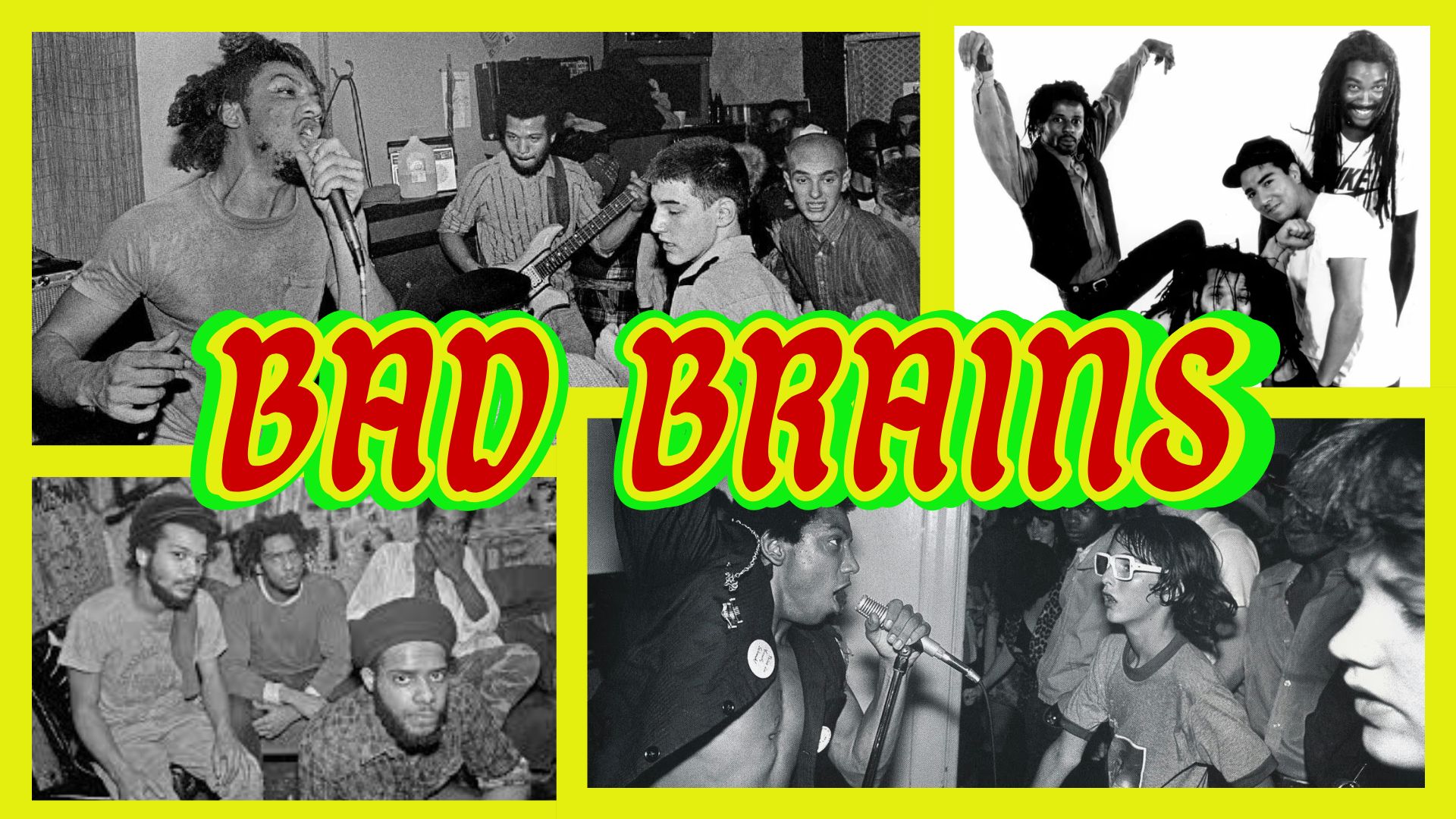
Black Flag’s influence is still heard in today’s music, but there are also many other bands that inspired many modern bands. One of those bands is Bad Brains.
Bad Brains formed in 1977, straight out of D.C., with vocals as raw as uncooked meat. Their first album came out in 1983, but they played their first few shows in 1979 and 1980. Their freshman album Rock for Light became extremely popular within the D.C. punk scene. Songs such as “Banned In D.C.”, “I and I Survive”, and “Big Takeover” became the biggest songs off of Rock for Light.
Bad Brains acknowledged that they were destructive and caused riots, which is why they named their song “Banned In D.C.” because they literally were banned from playing shows in most D.C. clubs and venues. In this song, Bad Brains understood what people thought of them, and they seemingly thought the same things about themselves. “And if you ban us from your clubs it’s the right time, the right mind”, “Banned in D.C. with a thousand more places to go”, and “Gonna sing it, gonna love it, gonna work it out to any length” are all lines from this song. And each line is acutely self-aware. Vocalist H.R. is telling everyone that no matter what, even if they’re banned from every venue, they’re going to play the music they love.
The other hits off of Rock for Light tell different stories, with “I and I Survive” going through the hatred that people have for each other, the horror of violence, and the economic inequalities that society had and still has today.
“Big Takeover” dives into dictatorships and religious hatred, which still resonates with today’s current politics. Bad Brains took the same stance that Black Flag took politically — by that, I mean they both believed that Nazi punks should screw off or get out of the punk scene entirely.
Bad Brains’ formation marked a pivotal point in hardcore’s history. The majority of hardcore bands are from the East Coast and there are many reasons for this. One reason for this phenomenon is that there were more small venues and local punk communities on the East Coast and more political disdain there as well.
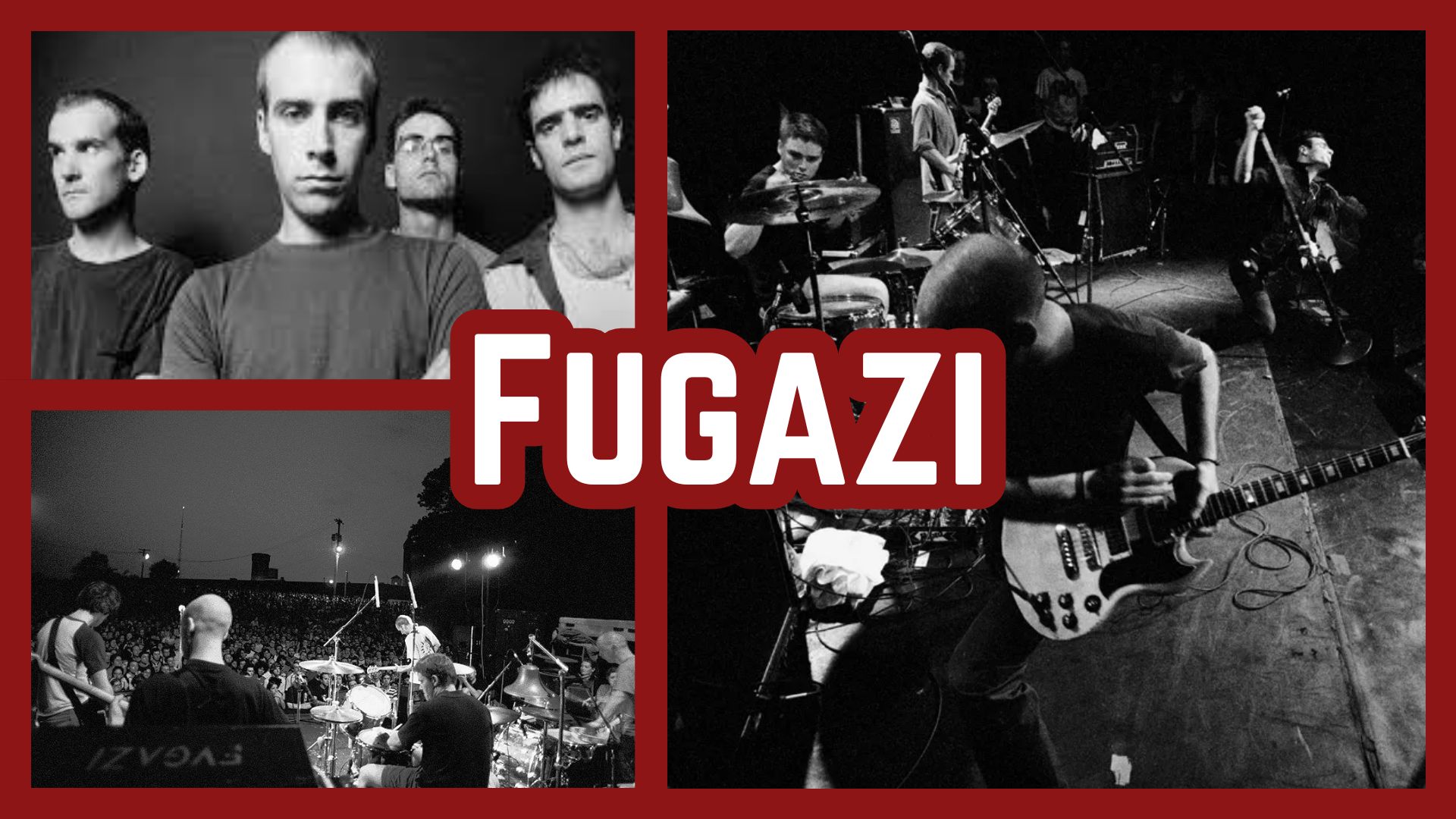
Another band from the D.C. area is Fugazi, formed in 1986. Fugazi was inspired by Bad Brains, and you can hear that in their music. You can hear the emotion in their music, you can hear the pain and melancholy in Ian MacKaye’s and Guy Picciotto’s voices, just like you can in H.R.’s voice.
Fugazi marked the end of hardcore and the beginning of post-hardcore. There are slight differences between the two genres, the main one being that hardcore is more aggressive and post-hardcore is more complex and dynamic with songwriting.
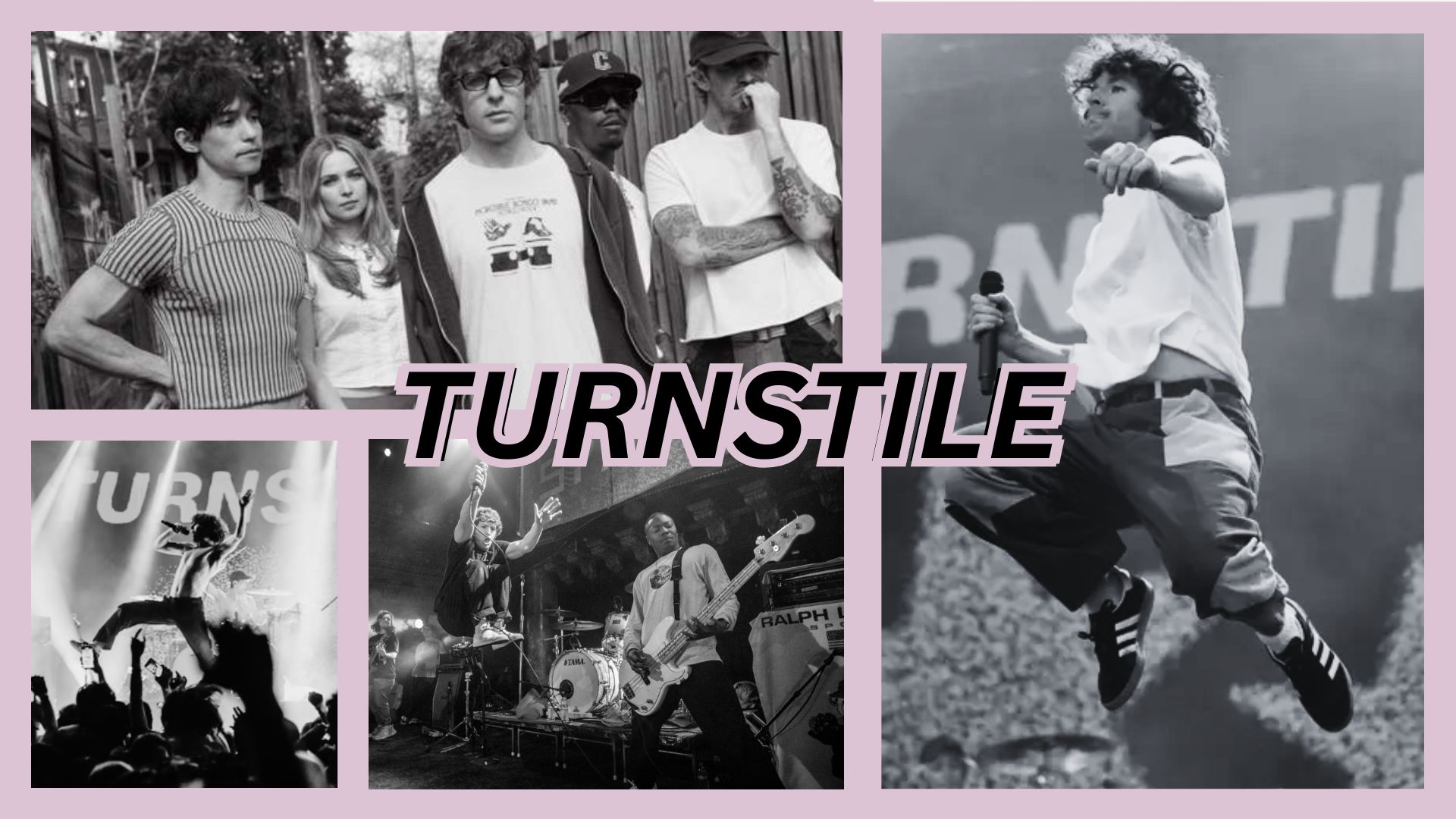
Post-hardcore’s name is very self-explanatory to what it is. It’s music that came after the hardcore movement, that’s it. Recently, there has been a slight resurgence of post-hardcore, mainly due to the band Turnstile’s rise in popularity over the past summer.
Turnstile released their fourth album, NEVER ENOUGH, and along with this album, they released a visual companion that was exhibited in movie theatres across the globe. Turnstile gained many listeners after this album was released, there were many factors that caused this, the main one being that the visual companion went relatively viral on social media.
Turnstile formed in 2010 and is from Baltimore, Maryland. They hold a special place in my heart because of where they are from. I was born in Maryland in 2010 and moved away when I was about five years old, and I don’t remember much from when I lived there. I’ve never had a special connection with where I am from, but when I went to see the Turnstile movie and I saw the Baltimore city sign about halfway through watching, I got really excited — I felt connected to this band. I feel as if many people see themselves in Turnstile’s writing. They dive into themes that many other artists also explore, but Turnstile communicates their thoughts differently, which is why I think they gained a mass following over the summer.
Turnstile’s first album, Nonstop Feeling, came out in 2016 after they had already released 17 songs throughout three EPs. Nonstop Feeling is a very emotional album; my standouts from it are “Addicted” and “Love Lasso” (although each song on this album is different in its own way). I could talk about this album for hours, but for now, I’ll just point out Turnstile’s clear influences on this album.
The 10th song on “Nonstop Feeling” is called “Addicted”, and this took clear influence from Bad Brains’ musical catalogue. Turnstile’s vocalist and frontman Brendan Yates has raw and quick vocals that mimic H.R.’s vocals seamlessly. Near the end of the song, a new vocalist named Justice Tripp, a member of Yates’ other band Trapped Under Ice, sings. Tripp’s voice has a raspiness and deepness that sounds nearly identical to the tone of a Bad Brains song.
“Love Lasso” is the second-to-last song on Nonstop Feeling, and this song really makes you feel. This song is devastatingly beautiful; it’s fully instrumental, and yet it creates such a lonely and empty yet hopeful feeling. This song is always stuck in my head. It never stops making me feel, just like the title of this album. “Love Lasso” uses very few chord progressions and is very stagnant. It doesn’t change until halfway through, when a synth starts playing and it continues to play even after the song fades out. If I could recommend one song by Turnstile, it’d be “Love Lasso”.
“Love Lasso” takes inspiration from many different ballads, but one that sounds comparatively similar is “I’m So Tired” by Fugazi. “I’m So Tired” is like a sonnet — it tells the story of how someone feels. This song uses piano to convey a mood of isolation and sorrow. Ian MacKaye’s voice is tired and slow and it truly makes you feel like you’re outside on a snowy day, all alone. To me, “Love Lasso” sounds like “I’m So Tired” not due to instruments but the mood these artists convey.
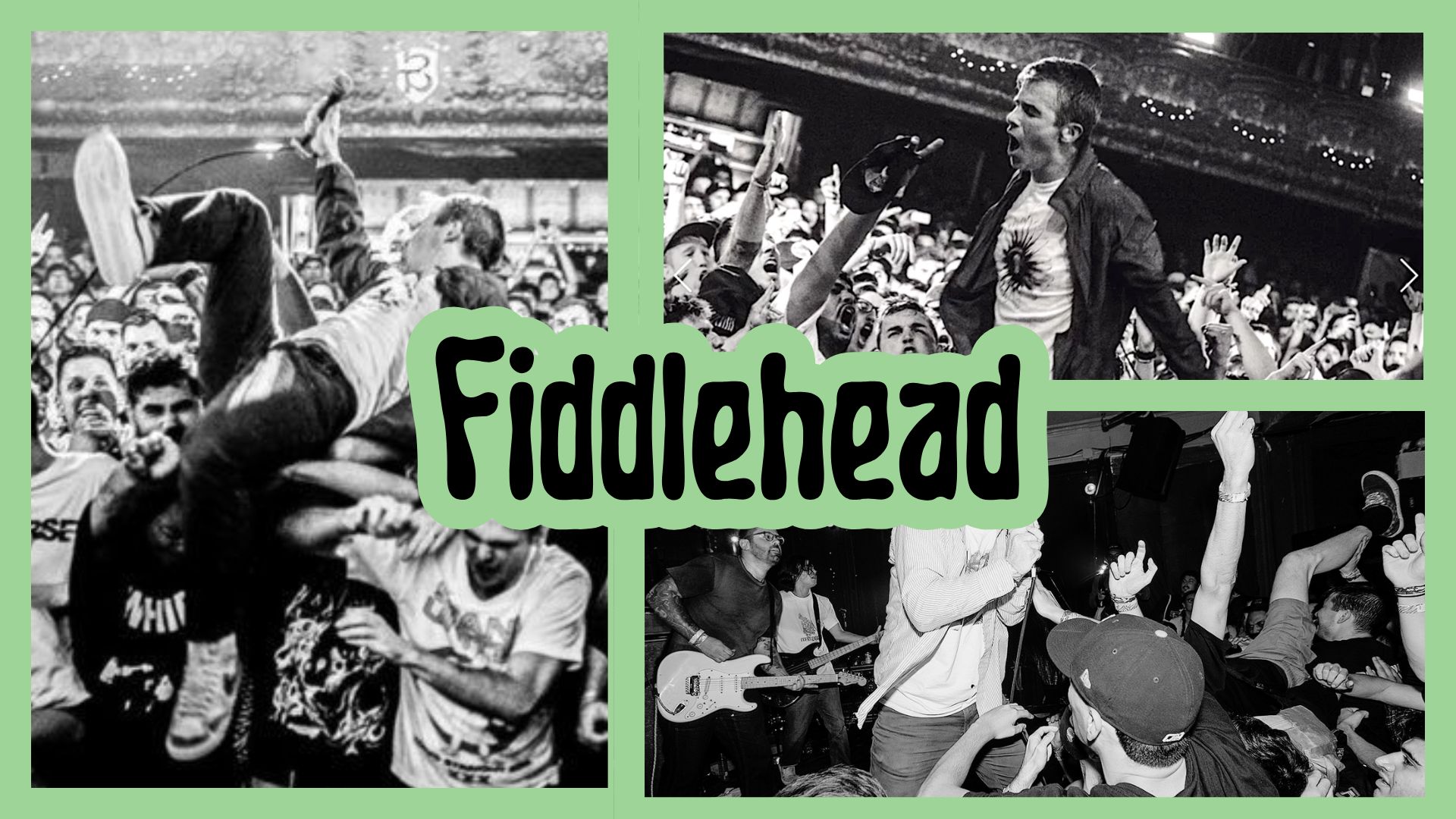
Fiddlehead is a post-hardcore band from Boston formed in 2014. Their first album, Springtime and Blind, came out in 2018 and draws inspiration from bands like Black Flag and Bad Brains. The song “Tidal Waves” sounds quite like a Black Flag song due to its composition. Vocalist Patrick Flynn yells into the mic emotionally with loud guitar and drums that almost overtake the vocals. This style of composition (loud vocals but almost louder instruments) reminds me a lot of Black Flag and their style. Fiddlehead’s more recent albums continue this trend of raw and loud vocals, like many post-hardcore bands today have due to Black Flag.
Hardcore has evolved in so many ways due to the tons of bands that fall into this genre. Hardcore has inspired genres like emo, midwest emo, pop-punk, and post-punk. Hardcore is a genre that will continue to grow in the future, and I can be sure of this because there will always be the misfits of the world —the people who don’t feel the need to fit in, the people who won’t be put in a box.